TL;DR
A 4-hour CPR certification course usually includes CPR practice, AED training, choking response, emergency recognition, First Aid basics, and hands-on skills practice. The goal is simple: help you feel ready to respond before emergency medical services arrive.
At Health Street CPRologist in Houston, students can choose from CPR BLS Basic Life Support, Heartsaver CPR/AED/First Aid, First Aid Only, Online BLS, and Spanish AHA class options.
Quick Facts
| Question | Short Answer |
| How long is a CPR certification course? | Many CPR/First Aid classes take around 4 hours, depending on the course. |
| What does the class include? | CPR, AED use, choking response, First Aid basics, and hands-on practice. |
| Who should take it? | Healthcare workers, teachers, childcare providers, workplace teams, parents, coaches, and anyone who wants emergency training. |
| Is CPR the same as BLS? | No. BLS includes CPR, but BLS is usually for healthcare providers. |
| Where can I register? | Health Street CPRologist offers CPR, BLS, First Aid, Heartsaver, Spanish, and online/blended options in Houston. |
What Is Included in a 4-Hour CPR Certification Course?
A 4-hour CPR certification course teaches the basic emergency skills you need when someone is not breathing normally, choking, injured, or showing signs of a medical emergency.
The exact class content depends on the course you choose, but most CPR certification courses include:
- CPR practice
- AED training
- Choking response
- Emergency recognition
- First Aid basics
- Hands-on skills practice
- What to do while waiting for EMS
Think of the class like a real-world emergency playbook. You are not trying to become a doctor in 4 hours. You are learning what to do in the first few minutes, when fast action matters most.
Why This Class Matters
Imagine someone collapses at work.
One person freezes.
Another person calls 911.
Someone else sees the AED on the wall, but does not know how to use it.
A coworker says, “I took CPR years ago, but I don’t remember what to do.”
That is the moment CPR training is built for.
A 4-hour CPR class gives students a simple process:
- Check the scene.
- Check the person.
- Call 911 or ask someone else to call.
- Start CPR if needed.
- Use the AED when available.
- Continue helping until emergency responders arrive.
The value is not just the card. The value is confidence under pressure.
1. CPR Skills
CPR stands for cardiopulmonary resuscitation.
In class, students learn how to give chest compressions and rescue breaths, depending on the course type. Students may also practice adult, child, and infant CPR.
CPR is used when a person is unresponsive and not breathing normally. The goal is to help move oxygen-rich blood to the brain and vital organs until professional help arrives.
If you need CPR for a healthcare job, school program, dental office, clinic, or hospital setting, the correct course may be:
CPR BLS Basic Life Support Register By Clicking Here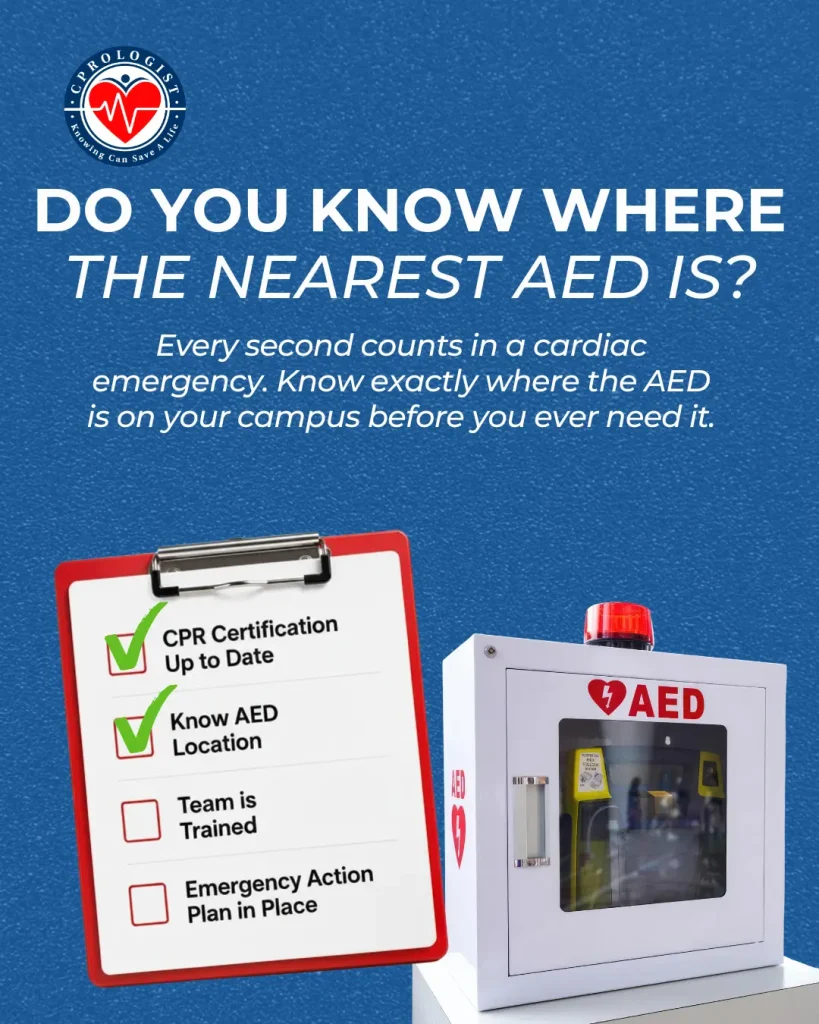
2. AED Training
AED stands for automated external defibrillator.
In a CPR and AED training course, students learn how to:
- Turn on the AED
- Follow the voice prompts
- Place the pads correctly
- Stay clear during analysis or shock
- Continue CPR after AED instructions
AED training matters because many schools, offices, gyms, churches, and public buildings already have AEDs available. The problem is that people are often afraid to use them.
Training helps remove that fear.
3. Choking Response
A CPR certification course may also include choking response.
Students learn how to recognize choking and respond based on the person’s age and condition. This is especially useful for:
- Parents
- Teachers
- Childcare providers
- Restaurant workers
- Coaches
- Church volunteers
- Caregivers
- Workplace safety teams
Choking emergencies can happen fast. A class gives students the steps to respond without guessing.
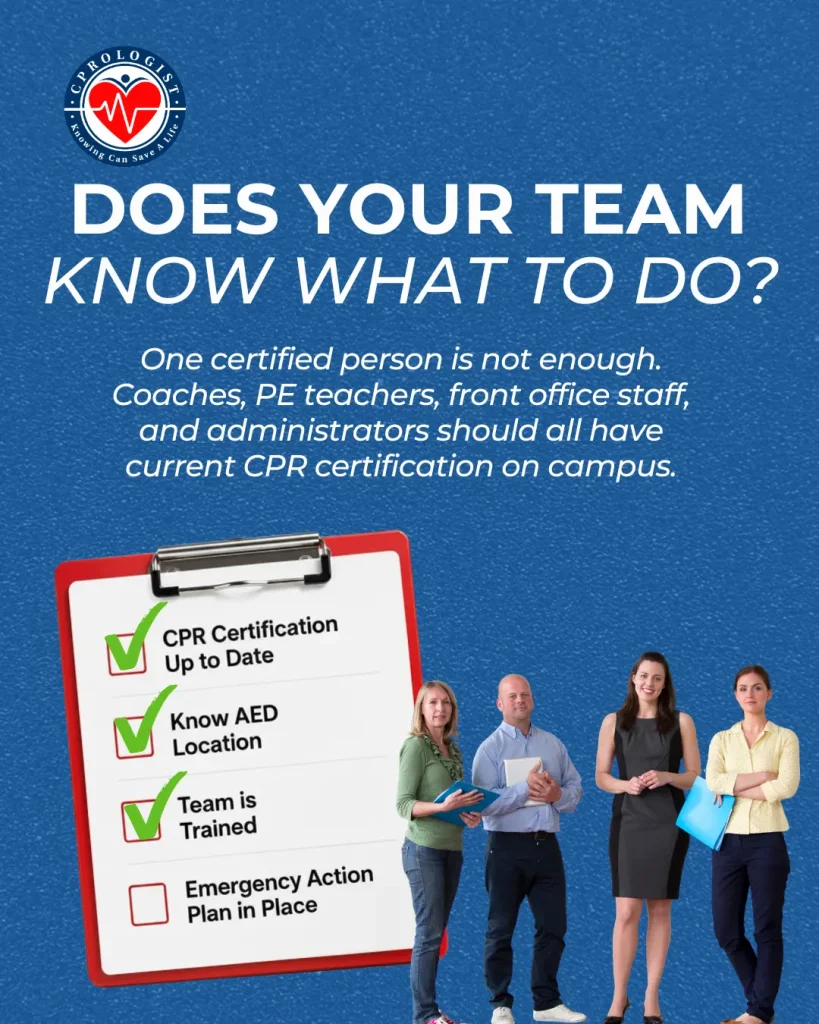
4. Emergency Recognition
Before you can help, you need to know something is wrong.
CPR training may cover warning signs like:
- Unresponsiveness
- Abnormal breathing
- Chest pain
- Choking
- Fainting
- Sudden weakness
- Confusion
- Severe bleeding
- Injury
- Pale or bluish skin
The goal is not to diagnose the person. The goal is to recognize danger, call for help, and act.
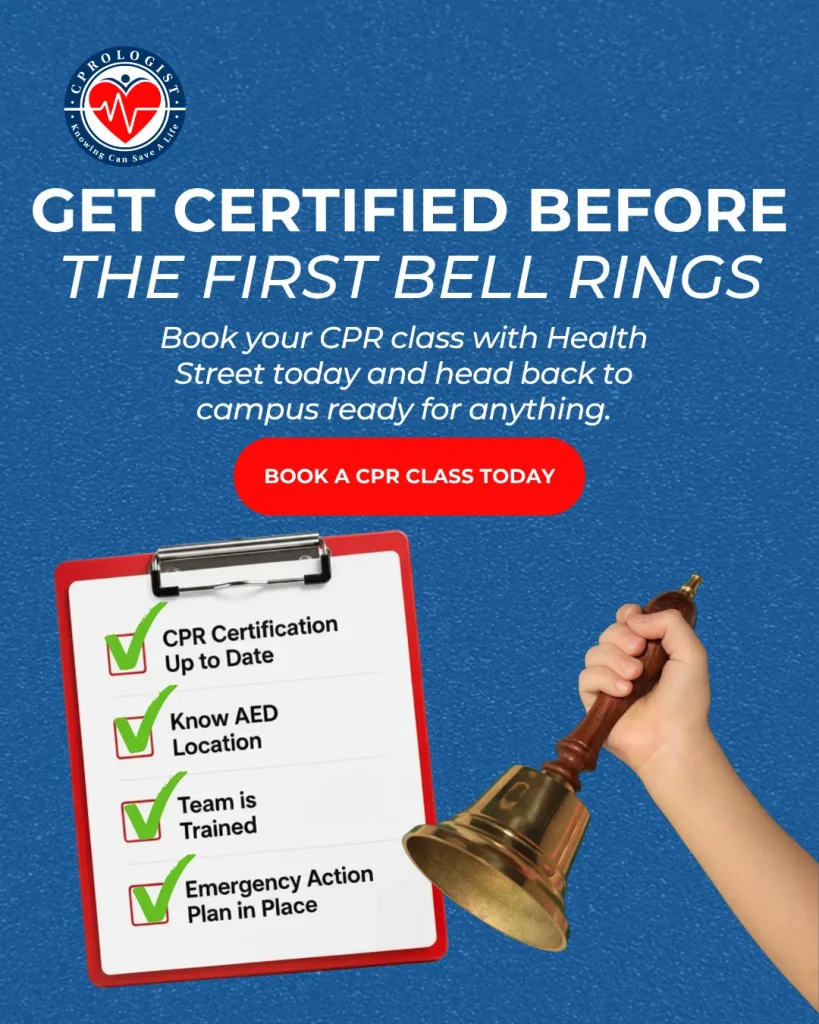
5. First Aid Basics
Some CPR classes also include First Aid training. This is usually part of a Heartsaver CPR/AED/First Aid class.
This type of course is helpful for people who need emergency training for work, school, childcare, church, coaching, care-giving, or general preparedness.
Health Street CPRologist’s Heartsaver CPR/AED/First Aid schedule can be found hereIf you only need First Aid, Health Street also offers:
Click Here For Heartsaver First Aid Only6. Hands-On Practice
This is one of the most important parts of the class.
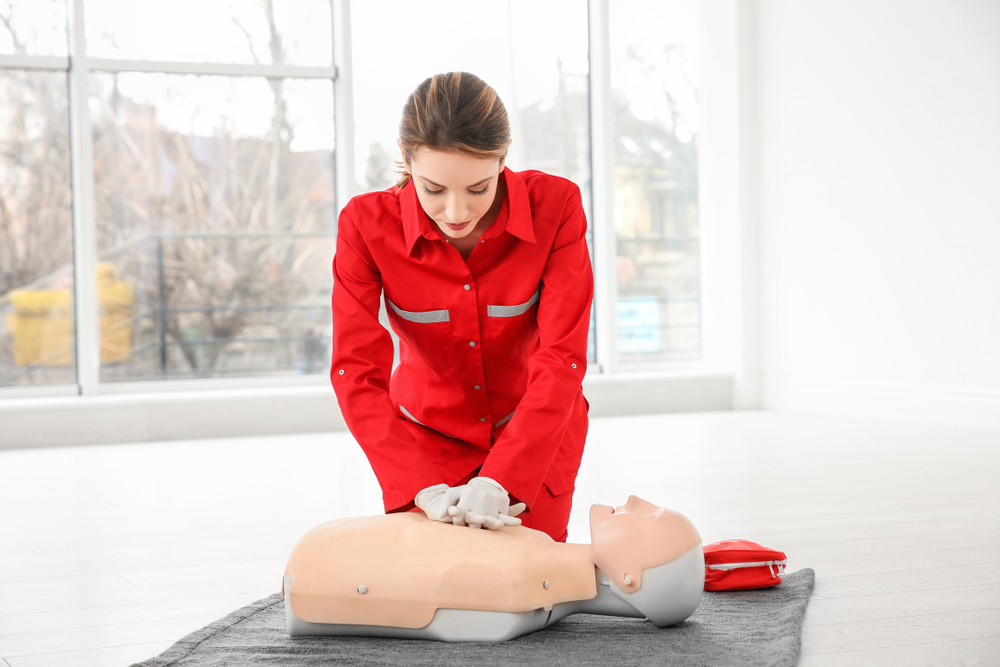
Watching a CPR video is helpful, but it is not the same as practicing compressions, AED steps, and emergency response flow with an instructor.
Hands-on practice helps students understand:
- How hard compressions feel
- How fast CPR can feel in real time
- How to follow AED prompts
- How to stay calm
- How to work through a scenario
That is why in-person CPR training can be so useful for students, employees, caregivers, and healthcare workers.
Which CPR Class Should You Choose?
| Need | Recommended Class |
| Healthcare job or clinical school | CPR BLS Basic Life Support |
| Workplace CPR, AED, and First Aid | Heartsaver CPR/AED/First Aid |
| First Aid only | Heartsaver First Aid Only |
| Flexible online BLS pathway | CPR BLS Online with skills session |
| Spanish CPR option | Spanish AHA Classes |
FAQ
What is included in a 4-hour CPR certification course?
A 4-hour CPR certification course may include CPR, AED use, choking response, emergency recognition, First Aid basics, and hands-on practice.
Does CPR certification include AED training?
Many CPR classes include AED training, especially CPR/AED and Heartsaver CPR/AED/First Aid courses.
Is CPR the same as BLS?
No. BLS includes CPR, but BLS is usually designed for healthcare providers and clinical students.
Who should take a CPR certification course?
CPR training is useful for healthcare workers, teachers, childcare providers, workplace teams, coaches, restaurant staff, parents, caregivers, and anyone who wants emergency skills.
Where can I take a CPR class in Houston?
Health Street CPRologist offers CPR, BLS, First Aid, Heartsaver, Spanish AHA, and online/blended class options in Houston.
August CPR Class Promo
Back-to-school season is a great time to renew your CPR, BLS, AED, or First Aid certification.
Use promo code BACK2SCHOOL5 for $5 off any eligible August class.
Promo excludes instructor courses, group training, online courses, and skills sessions.
Register for an eligible class here by clicking here
Need CPR certification in Houston?
Health Street CPRologist offers CPR, BLS, First Aid, Heartsaver, Spanish AHA, and online/blended course options.
Health Street CPRologist
1710 S. Dairy Ashford Rd., Suite #207
Houston, TX 77077
Phone: (281) 920-9490
Text: (281) 713-4555
Email: info@cprologist.com
Leah F. is the Operations Director at Health Street CPRologist in Houston, Texas. She supports AHA course operations, student registration, instructor coordination, certification workflows, and class scheduling for CPR, BLS, ACLS, PALS, NRP, Heartsaver, First Aid, AED, and Spanish-language training programs. Her content helps students, healthcare professionals, employers, and community members choose the right certification class with clear, practical guidance.
Class URL references
- CPR BLS Basic Life Support class in Houston
https://cprologist.enrollware.com/enroll?course=18740 - Heartsaver CPR/AED/First Aid class
https://cprologist.enrollware.com/schedule#ct18744 - Heartsaver First Aid Only class
https://cprologist.enrollware.com/enroll?course=44082 - Online BLS class with hands-on skills session
https://cprologist.enrollware.com/enroll?course=50495 - Spanish AHA classes in Houston
https://www.cprologist.com/cpr-classes-in-spanish