TL;DR
Many jobs require CPR certification because employees may need to respond before EMS arrives. Healthcare workers, EMT students, teachers, childcare providers, coaches, restaurant staff, construction teams, security guards, and workplace safety teams may all need CPR, AED, First Aid, or BLS certification.
If you work in healthcare, you may need BLS. If you work in a school, office, church, gym, restaurant, or community setting, Heartsaver CPR/AED/First Aid may be the better fit.
Quick Facts
| Question | Short Answer |
| What jobs require CPR certification? | Healthcare, EMT, childcare, education, fitness, security, restaurant, and safety roles may need CPR training. |
| Do healthcare workers need CPR or BLS? | Many healthcare workers need BLS, not just general CPR. |
| Do non-medical jobs need CPR? | Yes. CPR, AED, and First Aid are common in workplace safety roles. |
| Is AED training important? | Yes. AED training helps workers respond to sudden cardiac arrest. |
| Where can I take CPR in Houston? | Health Street CPRologist offers CPR, BLS, Heartsaver, First Aid, and group training options. |
What Jobs Require CPR Certification?
Jobs that involve healthcare, children, public safety, fitness, food service, transportation, construction, or large groups of people may require CPR certification.
The exact requirement depends on your employer, school, licensing board, or organization.
Some jobs require BLS certification.
Some require CPR and AED certification.
Some require First Aid CPR AED training.
That difference matters before you register.
“My Job Says I Need CPR. Which Class Do I Take?”
This happens all the time.
A person gets hired at a clinic, daycare, school, gym, restaurant, or construction company. Then their manager says:
“Please send us your CPR certification.”
They search online and see:
- CPR
- BLS
- AED
- First Aid
- Heartsaver
- Online CPR
- Group training
Now they are stuck.
The better question is not only, “Where can I take CPR?”
The better question is, “Which CPR certification does my job actually require?”
That is what this guide helps answer.
1. Healthcare Workers
Healthcare workers often need BLS certification.
This may include:
- Nurses
- Medical assistants
- Dental workers
- CNA students
- Clinic staff
- Hospital employees
- Respiratory therapy students
- Healthcare students
For healthcare roles, the common class is:
CPR BLS Basic Life Support
Register here: https://cprologist.enrollware.com/enroll?course=18740
BLS is usually the safer choice when the job or school says “healthcare provider CPR” or “Basic Life Support.”
2. EMT and EMS Students
People entering EMT training, EMS training, or emergency medical services certification programs may need current CPR or BLS certification.
This connects to searches like:
- EMT training
- EMS training Houston
- EMT certification Houston
- Emergency medical services certification
- Emergency medical technician training near me
If you are preparing for EMT or EMS training, confirm if your program requires BLS or another CPR certification before registering.
3. Teachers and Childcare Providers
Teachers, daycare staff, childcare providers, school employees, and camp workers may need CPR, AED, and First Aid training.
This can include adult, child, and infant response depending on the role.
For many school, daycare, and childcare settings, the right path may be:
Heartsaver CPR/AED/First Aid
Schedule here: https://cprologist.enrollware.com/schedule#ct18744
If your role involves children, always ask if pediatric CPR or a specific First Aid requirement is needed.
4. Coaches, Fitness Staff, and Gym Teams
Coaches, personal trainers, gym staff, athletic program employees, and fitness instructors may need CPR and AED certification.
Why?
Because fitness settings can involve:
- Sudden cardiac arrest
- Fainting
- Heat illness
- Breathing emergencies
- Overexertion
- Injuries
For many fitness and coaching roles, Heartsaver CPR/AED/First Aid is a practical option.
5. Restaurant and Hospitality Staff
Restaurant workers and hospitality teams may face emergencies like choking, allergic reactions, burns, cuts, fainting, or cardiac events.
CPR, AED, and First Aid training can be useful for:
- Managers
- Servers
- Kitchen staff
- Event staff
- Hotel teams
- Hospitality supervisors
This type of training can help staff respond quickly while waiting for EMS.
6. Construction Workers and Field Teams
Construction sites, industrial settings, field crews, and technician roles can involve falls, injuries, heat stress, electrical risk, bleeding, and medical emergencies.
For workplace teams, CPR and First Aid training can be valuable because coworkers may be the first people available to respond.
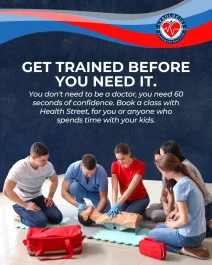
Health Street CPRologist also supports group CPR training for employees:
https://www.cprologist.com/groups
7. Security Guards and Public Safety Staff
Security guards and public safety staff may be first on scene when someone collapses, faints, has chest pain, or needs emergency help.
CPR and AED training can help these workers take action before EMS arrives.
8. Church Staff, Volunteers, and Community Leaders
Church staff, youth leaders, ministry volunteers, nonprofit employees, and community group leaders may need CPR and First Aid training if they work with children, seniors, large groups, or public events.
For many volunteer roles, Heartsaver CPR/AED/First Aid is a strong option.
9. Workplace Safety Teams
Office teams, warehouses, retail teams, and other workplaces may require CPR, AED, or First Aid training as part of safety planning.
A simple rule:
If your workplace has people, customers, physical activity, equipment, food, children, or public traffic, CPR and First Aid training can help your team respond better.
Which CPR Class Should You Take?
| Job Type | Class to Check First |
| Healthcare worker or clinical student | CPR BLS Basic Life Support |
| EMT or EMS student | CPR BLS Basic Life Support, if required by program |
| Teacher or childcare worker | Heartsaver CPR/AED/First Aid |
| Coach or gym worker | Heartsaver CPR/AED/First Aid |
| Construction or workplace team | Heartsaver CPR/AED/First Aid or group training |
| Restaurant or hospitality staff | Heartsaver CPR/AED/First Aid |
| Security guard | CPR/AED or Heartsaver CPR/AED/First Aid |
| Church or volunteer team | Heartsaver CPR/AED/First Aid |
FAQ
What jobs require CPR certification?
Healthcare, EMT, childcare, teaching, fitness, construction, restaurant, security, public safety, and volunteer roles may require CPR certification.
Do I need CPR or BLS for a healthcare job?
Many healthcare jobs require BLS, not general CPR. Confirm the exact requirement with your employer or school.
Do EMT students need CPR certification?
Many EMT and EMS programs require CPR or BLS certification before or during training. Always confirm the exact course with your program.
Do restaurants need CPR training?
Some restaurants and hospitality employers may require or prefer CPR, AED, and First Aid training for safety and emergency preparedness.
Can Health Street train a group at work?
Yes. Health Street CPRologist supports group CPR and workplace safety training. Visit: https://www.cprologist.com/groups
CPR Class Promo
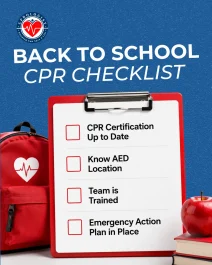
Back-to-school season is a great time to renew your CPR, BLS, AED, or First Aid certification.
Use promo code BACK2SCHOOL5 for $5 off any eligible class.
Promo excludes instructor courses, group training, online courses, and skills sessions.
Register for an eligible class here:
https://cprologist.enrollware.com/schedule#ct18744
Conclusion
Need CPR certification for work, school, EMT training, or workplace safety?
Health Street CPRologist offers CPR BLS Basic Life Support, Heartsaver CPR/AED/First Aid, First Aid Only, online/blended options, and group training in Houston.
Health Street CPRologist
1710 S. Dairy Ashford Rd., Suite #207
Houston, TX 77077
Phone: (281) 920-9490
Text: (281) 713-4555
Email: info@cprologist.com
Leah F. is the Operations Director at Health Street CPRologist in Houston, Texas. She supports AHA course operations, student registration, instructor coordination, certification workflows, and class scheduling for CPR, BLS, ACLS, PALS, NRP, Heartsaver, First Aid, AED, and Spanish-language training programs. Her content helps students, healthcare professionals, employers, and community members choose the right certification class with clear, practical guidance.