Adult CPR chest compressions should be delivered at 100–120 per minute, to a depth of at least 2 inches (5 cm), while avoiding depths greater than 2.4 inches (6 cm). Let the chest return fully after each push and keep interruptions brief. These are adult CPR targets; infant and child techniques differ.
Practice the skills behind the numbers.
If someone is unresponsive and is not breathing normally or is only gasping, call 911, follow the dispatcher’s instructions, and start CPR. Ask another person to bring an automated external defibrillator (AED) if one is available. A real emergency is the time to act; a CPR class is the place to practice.

What do chest compressions do during cardiac arrest?
During cardiac arrest, the heart is not pumping blood effectively. Compressions help circulate blood to the brain and other vital organs until further treatment can be provided. CPR and early AED use work together; chest compressions do not replace defibrillation when a shock is indicated.
This is why learning CPR means more than memorizing a number. Your hand position, depth, rhythm, and ability to release pressure all affect the quality of the compressions you deliver.
How do you perform adult chest compressions?
For an adult who needs CPR, use the technique taught in your course and follow emergency-dispatch instructions:
- Make sure the scene is safe. Activate emergency help promptly.
- Place your hands in the center of the chest. Put the heel of one hand on the lower half of the breastbone and your other hand on top.
- Push at 100–120 compressions per minute. Maintain a steady rhythm rather than rushing.
- Reach an appropriate depth. For the average adult, compress at least 2 inches while avoiding more than 2.4 inches.
- Release pressure between pushes. Avoid leaning on the chest so it can recoil fully.
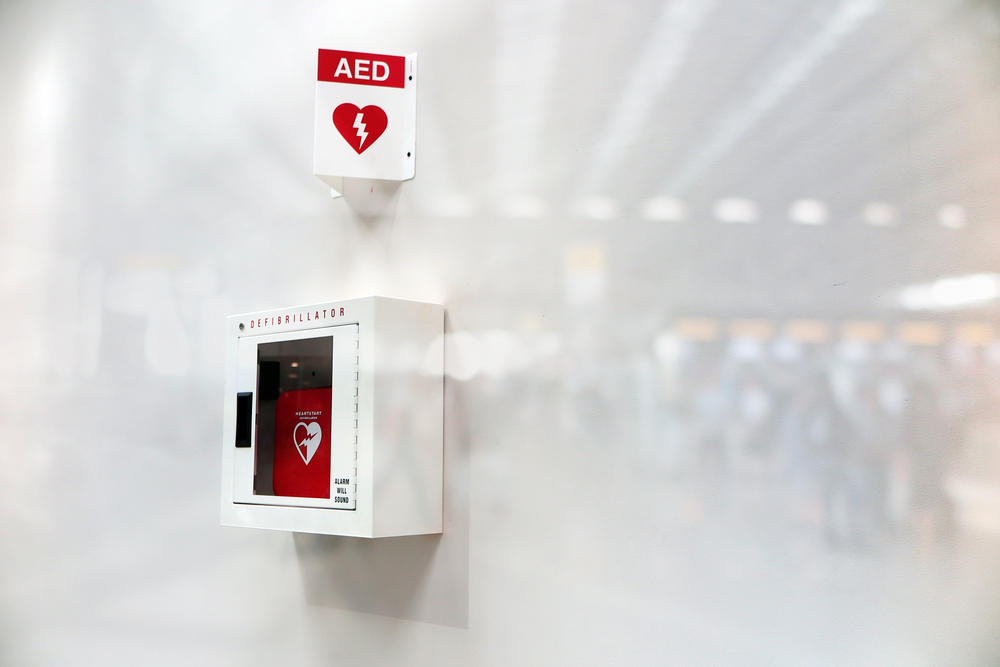
- Use the AED as soon as it arrives. Follow its prompts, stand clear when instructed, and resume CPR when directed.
When is Hands-Only CPR appropriate?
The American Heart Association recommends Hands-Only CPR for bystanders who witness a teen or adult suddenly collapse outside the hospital. Call 911 and push hard and fast in the center of the chest. The dispatcher can guide you.
CPR with breaths remains important, especially for infants, children, drowning, and other breathing-related emergencies. Trained rescuers should use the technique appropriate to the situation; adult conventional CPR commonly uses 30 compressions followed by 2 breaths before an advanced airway is placed.
Choose the course your role requires.
What should you practice in a CPR class?
Use practice time to ask an instructor to check your technique, not just your recall. Ask whether your hands are positioned correctly, whether you are leaning between compressions, and how to coordinate with another rescuer. Practicing on a manikin gives you a place to correct mistakes before you face a real emergency.
For healthcare professionals, team practice also matters. Clear roles help rescuers coordinate compressions, ventilation, and AED or defibrillator use without unnecessary confusion.
Which CPR class should you choose in Houston?
If you work in healthcare or are entering a clinical program, check whether your employer or school requires BLS training. For many people outside healthcare, a Heartsaver CPR, AED, and first aid option may be appropriate. Confirm the exact course requirement before registering.
Prefer to learn in Spanish? Review Health Street’s Spanish CPR classes in Houston.
Frequently asked questions
Should I practice compressions on another person?
Practice CPR on a training manikin under appropriate instruction. Do not perform practice chest compressions on a person who does not need CPR.
Does reading an article count as CPR certification?
No. An article can explain the basics, but an AHA course completion card requires successful completion of the relevant course requirements, including hands-on skills where required.
Put the technique into practice
Choose the class that matches your work, school, or family needs. View Health Street’s class schedule or ask our Houston team which course to take.
Ready to practice CPR in Houston?
Educational information; not a substitute for hands-on training. In an emergency, call 911 and follow dispatcher instructions.
Sources
- AHA: 2025 Adult Basic Life Support Guidelines
- AHA: What Is CPR?
- AHA: High-Quality CPR
- AHA: Hands-Only CPR versus CPR With Breaths
- AHA: Course FAQs
About the Author

Written by Leah F., Operations Director at Health Street CPRologist
Leah F. is the Operations Director at Health Street CPRologist in Houston, Texas.
She supports American Heart Association course operations, student registration, instructor coordination, certification workflows, and class scheduling.
Her work supports CPR, BLS, ACLS, PALS, NRP, Heartsaver, First Aid, AED, and Spanish-language training programs.
Her educational content helps students, healthcare professionals, employers, parents, caregivers, and community members understand emergency-response training and choose the appropriate certification class.